บทที่ 3 · หลักการทางเศรษฐศาสตร์
Economic Principles · 22 คำ · ระดับ B2
กำลังโหลด...
 อยากได้ฉบับเต็มไว้อ่าน/พิมพ์
IELTS ACADEMIC VOCABULARY BY TOPIC 1,200 คำ 20 หัวข้อที่ออกสอบ
฿179 · ดูตัวอย่างในเล่ม ›
คำศัพท์ในบทนี้
 commodityสินค้าโภคภัณฑ์ (noun)
Oil is a key global commodity.
 liquidityสภาพคล่อง (noun)
The company's high cash reserves ensure good liquidity.
 assetสินทรัพย์ (noun)
Real estate is often considered a stable long-term asset.
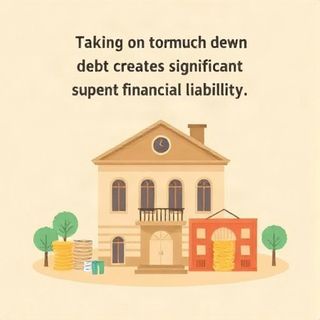 liabilityหนี้สิน (noun)
Taking on too much debt creates significant financial liability.
 capitalismทุนนิยม (noun)
Many modern economies operate under principles of capitalism.
 monopolyการผูกขาด (noun)
Government regulations aim to prevent business monopoly.
 aggregateรวม, ทั้งหมด (adjective)
The aggregate demand shows total spending in the economy.
 stagflationภาวะเศรษฐกิจซบเซาเงินเฟ้อ (noun)
Some fear the economy could face a period of stagflation.
 austerityมาตรการรัดเข็มขัด (noun)
The government imposed austerity measures to cut costs.
 depreciationค่าเสื่อมราคา (noun)
Car owners must account for the depreciation of their vehicle.
 appreciationการเพิ่มมูลค่า (noun)
Real estate investment hopes for significant value appreciation.
 fiscalเกี่ยวกับการเงิน (ภาครัฐ) (adjective)
Government makes fiscal policy decisions to guide the economy.
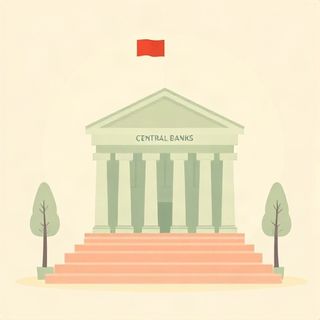 monetaryเกี่ยวกับการเงิน (เงินตรา) (adjective)
Central banks manage monetary policy to influence inflation.
 arbitrageการเก็งกำไรส่วนต่าง (noun)
Savvy traders seek opportunities for arbitrage across exchanges.
 derivativeอนุพันธ์ทางการเงิน (noun)
Futures are common types of financial derivatives.
 securitiesหลักทรัพย์ (noun)
Investors trade various types of securities on stock markets.
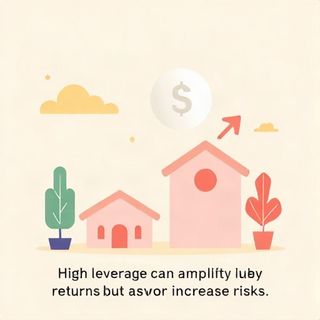 leverageการใช้เงินกู้ในการลงทุน (noun)
High leverage can amplify returns but also increase risks.
 solventมีเงินพอใช้หนี้ (adjective)
The company remains solvent despite recent financial challenges.
 consolidateรวมเข้าด้วยกัน (verb)
The two smaller firms plan to consolidate their operations.
 diversifyกระจายความเสี่ยง (verb)
Smart investors always diversify their investment portfolios.
 speculationการเก็งกำไร (noun)
Property speculation can lead to housing market bubbles.
 volatileผันผวน (adjective)
The stock market is often very volatile during crises.